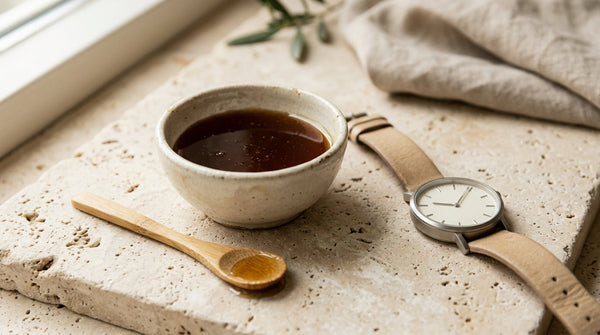
Mad honey produces a warm, grounding, mildly euphoric state that sets in gradually and fades over a few hours. The effect comes from grayanotoxins, plant compounds carried into the honey when bees forage on certain rhododendron flowers, and it is noticeably different from anything regular honey can do.
What that actually feels like, how long it lasts, and why one jar can feel stronger than another are the questions that matter most before a first serving. The answers are more specific than the dramatic reputation suggests.
What Do Mad Honey Effects Feel Like?
The overall experience combines physical warmth with a calm, grounded mental state that is noticeable but far more subtle than the dramatic reputation suggests. It is neither a psychedelic nor a stimulant: there are no visuals, no distortion, and no "trip," and the distinctive body-and-mind effect comes from the honey's botanical source rather than anything resembling caffeine. The broader picture of what mad honey is and how it differs from regular honey is covered separately.
Stress, Anxiety and the Nervous System
Mentally, the effect is a downshift rather than a high. Thoughts slow, background noise fades, and many people describe a pleasant, mildly euphoric calm that feels grounded and clear rather than foggy. The tension that builds through a demanding day loosens noticeably, which is why the nervous-system effect is the most common reason for taking it. Conversation still flows and concentration remains intact; the change is in pace and tension, not capability.
Body and Muscle Relaxation
Physically, the most consistent description is warmth. A gentle heat spreads through the chest and body shortly after a serving, often paired with a light tingling sensation on the lips or tongue. From there, the experience settles into something slower and heavier: muscles relax, the body feels more present, and physical tension starts to unwind. Some people notice a mild flush in the face or a slight heaviness in the limbs, similar to sinking into a hot bath, and the combination sits closer to the feeling after a sauna or deep massage than to alcohol or cannabis.
Sleep and Energy
The two remaining effects pull in opposite directions depending on serving and timing. In the evening, the grounded heaviness makes switching off easier. Restlessness settles, and the transition into sleep tends to feel smoother rather than forced. Earlier in the day, a smaller serving reads differently: the honey's natural sugars provide a modest lift, and the calm takes the edge off without the wired feeling caffeine can bring. The lift is fuel from carbohydrates, not stimulation, which is why the same jar can serve both purposes.
How Long Do Mad Honey Effects Last?
Onset typically begins within 20 to 40 minutes of taking a serving on a relatively empty stomach, with the effect building gradually rather than hitting at once. The first signs are usually the warmth and the tingling, followed by the slower, heavier body feel over the next half hour. A full stomach slows this down considerably, sometimes to an hour or more, which is a common reason first-timers mistakenly assume nothing is happening and take a second serving too soon.
The main experience usually peaks around the one- to two-hour mark and fades over the following hours. For a modest serving, the noticeable effect typically lasts roughly two to four hours, with a relaxed afterglow that can linger into the evening. Larger servings extend both the intensity and the duration, which is one of several reasons to start small. Unlike alcohol, there is no rebound or hangover from a sensible serving; most people simply drift from the afterglow into a normal evening or an easier night's sleep.
These are honest ranges rather than guarantees. Batch potency, serving size, body weight, food, and individual sensitivity all shift the timeline, so a first experience is best treated as a calibration run for how a particular jar behaves.
Why Mad Honey Effects Can Vary
No two jars are identical, and the variation is real rather than a marketing excuse. Grayanotoxin concentration depends on which rhododendron species the bees foraged on, the region and elevation of the harvest, and the season's weather. A spoonful from one harvest can feel noticeably stronger than the same spoonful from another.
Individual response varies just as much. Body weight, tolerance, an empty versus full stomach, and simple day-to-day differences in how someone feels all change the outcome. The same serving that produces gentle warmth for one person can feel intense for another.
This variability is also where the experience can tip from pleasant to unpleasant. Too much grayanotoxin stops feeling warm and grounding and starts feeling dizzy and nauseating, with sweating and lightheadedness as the usual signals. That threshold is impossible to judge by taste, which is exactly why serving size, not flavor or color, should guide how much to take.

When and How to Take Mad Honey
Timing shapes the experience as much as quantity. Evening is the most popular window, when the grounding effect pairs naturally with winding down, an easier transition into sleep, or simply closing a demanding day. A smaller serving earlier in the day works for those who want the calm without the heaviness. Weekends or free evenings make the best first attempts, with no obligations competing against the slower pace.
The honey itself is best taken straight from the spoon, letting it sit in the mouth briefly before swallowing. The flavor is sweet at first, then earthy and slightly bitter, and it is part of the experience: a world away from supermarket honey. Mixing it into hot drinks is common but blunts the experience slightly, and high heat is best avoided.
For a first serving, a few simple rules make the difference:
-
A starting serving of half a teaspoon or less, even if it seems overly cautious
-
A gap of at least a couple of hours before any second serving, since onset is gradual
-
No alcohol on the first evening, as the two stack poorly together
-
A mental note of how that specific jar feels at that serving before any adjustment upward
Starting low costs nothing. A serving that turns out mild can simply be increased next time, while an overshoot cannot be undone mid-experience. This is also why credible sellers publish conservative serving guidance with each jar rather than leaving buyers to guess.
Who Is Mad Honey Best Suited For?
The best fit is someone drawn to traditional, single-ingredient wellness foods and curious about a noticeable but manageable effect. It suits evening unwinders who want an alternative to a glass of wine, poor switcher-offers who feel wired at bedtime, and anyone avoiding caffeine, alcohol, or formulated supplements but still wanting something with genuine character. There is also a strong ritual appeal: a single spoonful from a jar with a story behind it fits the same slot as a quality whisky or specialty tea, something taken deliberately rather than consumed by habit.
It is a poor fit for thrill-seekers expecting a psychedelic experience, for anyone hoping to treat a medical condition, and for people who want a guaranteed, identical effect every time, since natural variability is part of the deal. Pregnant women, anyone with a heart condition or low blood pressure, and people on blood pressure medication should leave it alone entirely.

Why Himalayan Harvests Differ From Each Other
Two harvests from the same region can behave quite differently, and the reasons are seasonal rather than geographical. Rhododendrons flower in a narrow window, and honey collected during it carries a different profile from honey gathered once other plants have come into bloom.
The main Himalayan collection falls in late spring, when the rhododendrons are at full bloom and dominate everything else available to the bees. That is the harvest most associated with the classic character: dark, earthy and heavy, with the fullest warmth. A smaller collection sometimes follows in autumn, by which point the rhododendrons are finished and the colonies have been foraging on a broader mix, which tends to produce a lighter jar. Both are genuine, and neither is inferior, but they will not feel identical at the same serving.
Altitude compounds the effect, since colonies on exposed cliff faces forage on different rhododendron stands from those lower down the valley, and the species growing at 3,500 metres are not the same as those a thousand metres below. How that honey is reached and collected is a story in itself, and the harvesting tradition behind it explains a great deal about the character each harvest carries.
What none of this predicts is potency. Season and altitude shape the profile a harvest is likely to have, while the measured figures for a specific batch establish what it actually contains, which is why documented jars beat origin descriptions every time.

Choosing the Right Mad Honey
Verification is the deciding factor. Batch testing matters more than any strength claim, since a seller who measures grayanotoxin content is selling a knowable experience while "strongest on the market" branding is selling a gamble. That distinction runs through everything covered above, because onset, duration, and intensity all depend on what is actually in the jar, and only testing answers that question before the first spoonful does.
A few other signals separate serious sellers from opportunists. Clear, conservative serving guidance shipped with the jar is the biggest one, since a seller who recommends small servings understands the product while one promising an extreme experience from a heaped spoonful does not. Named harvesting regions beat vague "Himalayan" branding, and a willingness to reject inconsistent batches matters more than a large catalogue. Price is a weaker signal than it appears, because genuine cliff-harvested honey is never cheap, though a high price alone proves nothing without testing behind it.
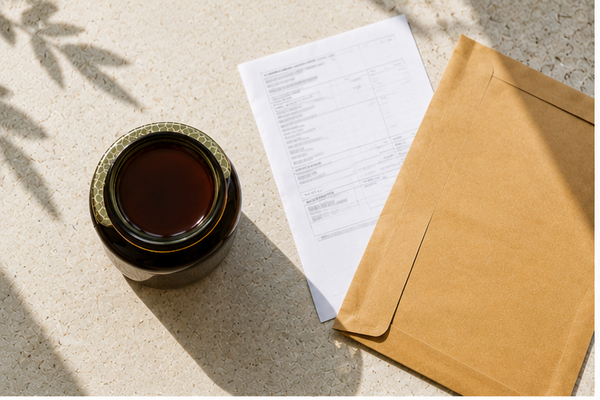
Real Mad Honey is built around exactly these markers. Its honey is wild-harvested above 3,500 metres in the Himalayas through established Nepalese honey-hunting communities, with every batch analysed by Eurofins for GTX I and GTX III before sale and anything inconsistent rejected. The results are published against the batch on the shelf rather than summarised, which is what turns a seasonal wild product into a known quantity.
Serving guidance ships with each jar, making the calibration approach described earlier straightforward to follow from the first evening: a modest first serving, patience through the onset, and adjustment only once that particular batch is understood. For a first purchase, a smaller jar is the sensible entry point, since it allows the character of a given harvest to be judged before committing to more.
Verdict: What to Expect From Mad Honey
The typical experience is warmth, physical relaxation, and a calm, slightly euphoric slowing of pace, arriving within the hour, peaking around one to two hours, and fading over an evening. Variation between jars and between people is part of the product, which is why the first serving from any new jar works best as a test run rather than a target dose.
The comparisons that set the right frame: closer to a sauna than a drink, closer to deep rest than a high. Psychedelic expectations lead to disappointment; an open mind toward a subtler, more grounded effect is what makes it clear why this honey has been harvested from cliff faces for centuries.
The experience rewards patience and punishes ambition. Taken small and unhurried, it delivers exactly the grounded, distinctive character that has kept it prized for generations; taken carelessly, it becomes the cautionary story instead. A low starting serving, enough time for the onset, and a willingness to let the jar reveal its own strength are what separate the two outcomes.
The practical path forward is simple: a seller who tests what they sell, a jar with published figures for the batch inside it, a modest first serving, and a free evening set aside to meet it properly.