You get in at half six. You are still finishing an argument from the meeting in your head, and it will keep going until something interrupts it. So you pour a glass. Not to get drunk — nobody wants that on a Tuesday. You want the day to stop.
And it works. That is the part nobody says out loud. Twenty minutes in the volume drops, you sit down, and the evening finally starts.
Then there is the second glass, which you did not really decide on. And the morning: slightly puffy, a bit thick, and the private knowledge that the sleep was worse even though you went up earlier. Somewhere in there sits a low hum of guilt about needing it at all.
You have tried the obvious swaps. Alcohol-free beer — fine for the ritual, changed nothing. Herbal tea, which is not a ritual, it is a hot drink. A $5 kombucha that tasted like a punishment.
And when you mention it, somebody tells you to just stop drinking. Which misses it completely. You were never trying to fix a problem with alcohol. You were trying to end the day.
I never wanted to stop. I wanted something else to reach for.
— Xenophon, Anabasis, 401 BC
Which brings me to the question I actually get asked at those dinners, usually two glasses in: if it is just honey, why does one spoon of it cost more than a bottle of wine?
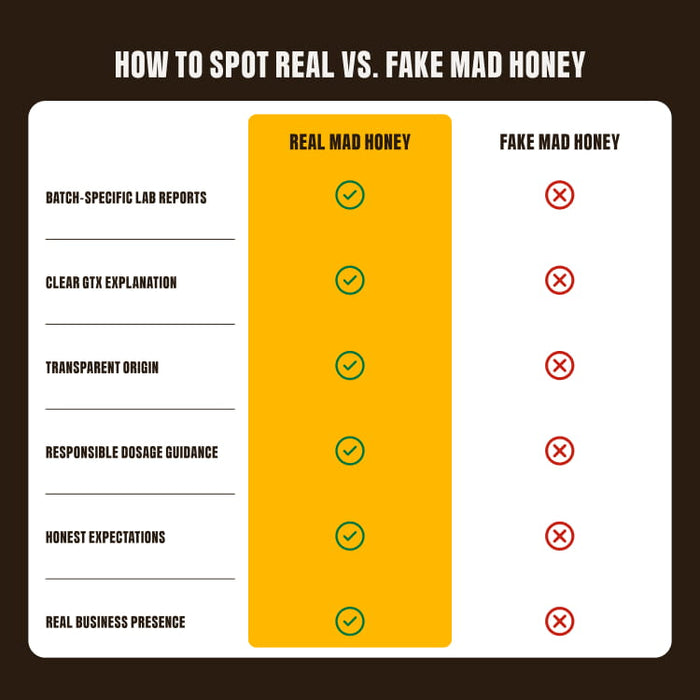
That has a real answer, and the answer is also the checklist that separates the real thing from the flavoured syrup most people get sent. It starts with what is actually in the jar.